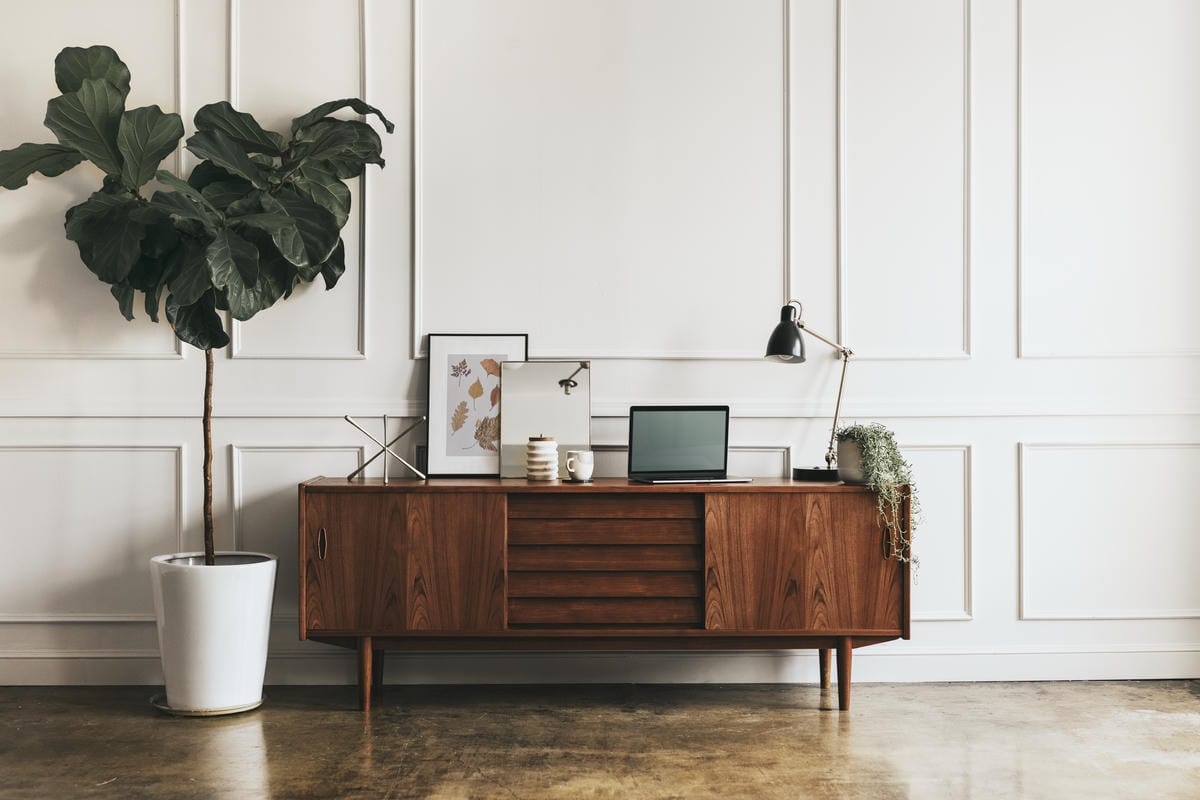
Open Concept Living Room and Dining Area Design

Living Room

How to create a seamless, functional, and beautiful open-plan living space that feels cohesive, spacious, and uniquely yours.

Open concept living has become one of the most sought-after design choices in modern homes  and for good reason. When done well, a combined living room and dining area creates a sense of spaciousness, improves social flow, and allows natural light to travel freely throughout the entire space.

But here’s the truth: open concept design is deceptively complex. Without walls to define zones, the challenge becomes creating a space that feels organized, purposeful, and visually cohesive  without the help of physical boundaries.

In this guide, we’ll walk you through everything you need to know to design an open concept living and dining area that works beautifully from zoning strategies and furniture placement to lighting, color, and the small details that make all the difference.

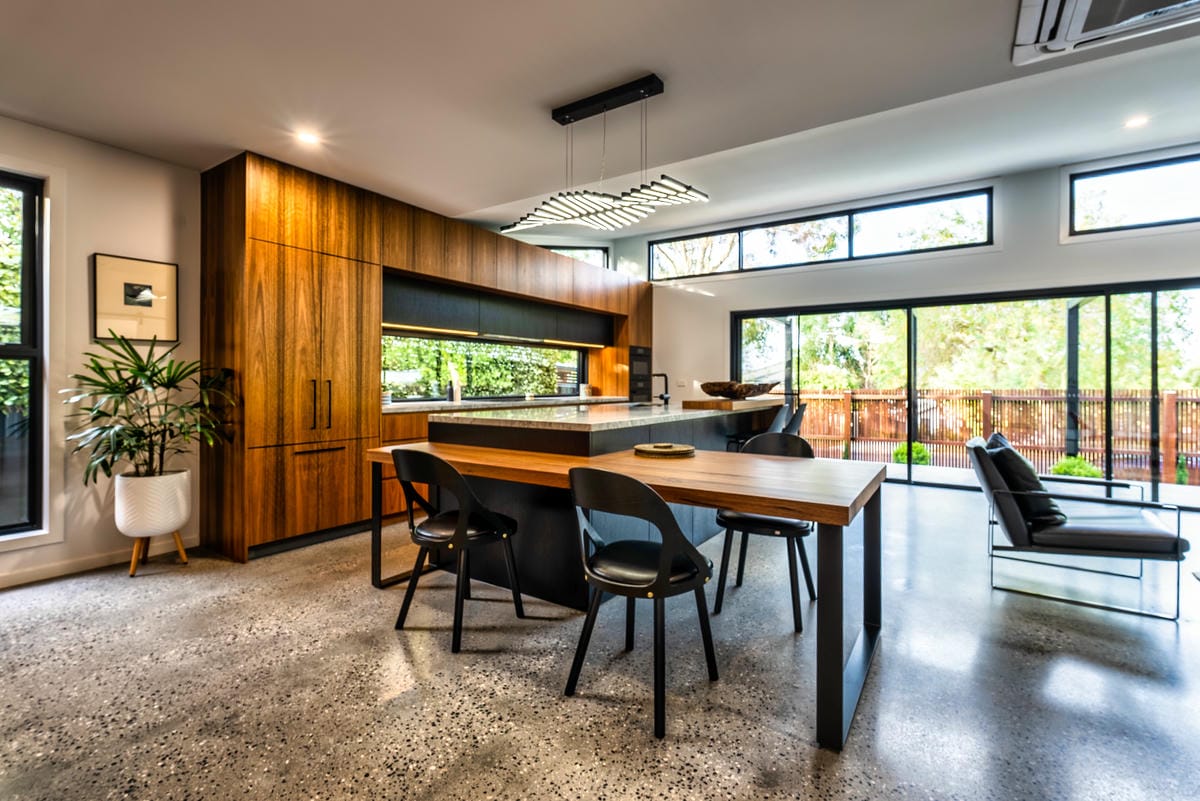
understanding open concept design

Originally popularized in mid-century modern architecture, open concept living has evolved significantly — now appearing across minimalist, Scandinavian, Japandi, tropical modern, and luxury contemporary design styles.

Key Benefits:

choosing and placing furniture for open concept spaces

Furniture in an open concept space must work harder than in a traditional room. Every piece needs to define its zone, complement adjacent areas, and contribute to the overall visual harmony of the space.

Living Room Zone: